A hotel can have beautifully decorated rooms, comfortable beds and excellent customer service, but one electrical fault can quickly disrupt the guest experience. Having a reliable Hotel Electrician helps keep guests safe, electrical systems running smoothly and hotel operations on track.
Imagine a busy weekend when several rooms suddenly lose power, corridor lighting stops working or a faulty socket puts a guest room out of use. For hotel owners and managers, electrical problems aren’t just inconvenient. They can affect guest safety, daily operations and the property’s reputation.
Whether you manage a small guesthouse, a boutique hotel or a larger hospitality property in Eastbourne and East Sussex, understanding the role of a hotel electrician can help you plan maintenance, prevent avoidable disruptions and keep your electrical installations in good condition.
What Does a Hotel Electrician Do?
A Hotel Electrician is a qualified electrical professional who carries out installations, inspections, testing, maintenance and repairs in hotels and other hospitality properties.
Unlike ordinary domestic electrical work, hotel electrical systems often support multiple guest rooms, communal areas, kitchens, reception spaces, laundry facilities and essential safety equipment.
Typical Hotel Electrician services include:
- Electrical fault finding and repairs
- Electrical Installation Condition Reports (EICRs)
- Inspections & Tests
- PAT Testing for portable appliances
- Fire Alarm Services
- Emergency Lighting Services
- Electrical Installations
- Consumer unit and distribution board upgrades
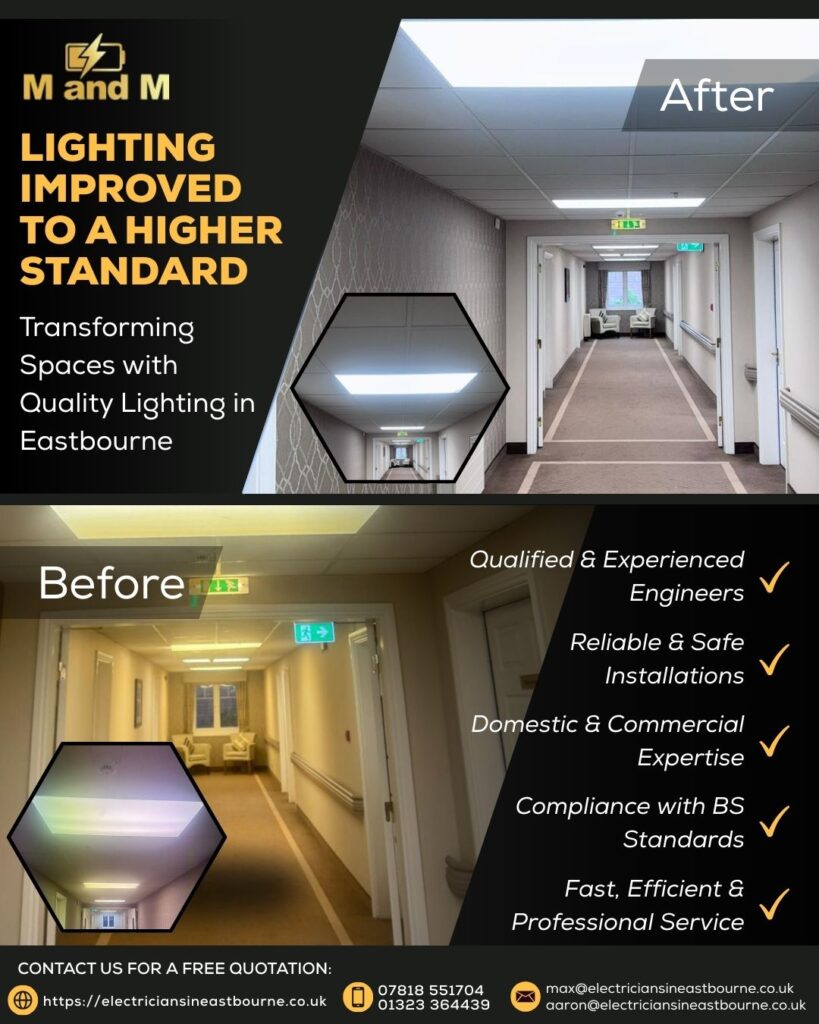
- Lighting installation and maintenance
- Full or partial Rewire projects
The aim isn’t simply to repair electrical faults when they occur. It’s to help ensure the building’s electrical systems remain safe, reliable and suitable for everyday hotel operations.
Why Hotels Have Different Electrical Requirements
Hotels operate differently from most other commercial buildings.
Guest rooms may be occupied throughout the day and night, while kitchens, reception areas, heating systems and other facilities depend on reliable electrical supplies.
Even a relatively small hotel can have dozens of electrical circuits serving different areas of the building.
A Hotel Electrician needs to consider how electrical work might affect:
- Guest comfort and safety
- Staff working environments
- Fire detection and emergency escape routes
- Kitchen and laundry operations
- Communal lighting and power supplies
- Business continuity during repairs or upgrades
For example, replacing a faulty light fitting in an occupied hotel requires more than choosing the correct replacement. The work must be planned safely, with consideration given to guests, staff and any necessary electrical isolation.
This is why preventive maintenance and properly scheduled electrical work are particularly valuable in hospitality properties.
Electrical Inspections and Testing for Hotels
One of the most important responsibilities of hotel management is ensuring that electrical installations remain safe.
An Electrical Installation Condition Report (EICR) assesses the condition of an existing electrical installation and identifies defects, deterioration or potential safety hazards.
During professional Inspections & Tests, an electrician may examine:
- Distribution boards and protective devices
- Earthing and bonding arrangements
- Electrical circuits and wiring
- Socket outlets and switches
- Signs of overheating or damage
- The suitability of electrical protection
Hotels should arrange inspection intervals based on the type of installation, its condition, previous inspection recommendations and relevant risk assessments.
A five-year interval is commonly recommended for many commercial installations, but the appropriate frequency depends on the property and its circumstances.
Regular electrical inspections help hotel owners make informed decisions about maintenance, repairs and future improvements.
PAT Testing in Hotels: Which Appliances Need Attention?
Think about how many portable electrical appliances guests and staff use in a hotel.
There may be kettles, hairdryers, televisions, bedside lamps, vacuum cleaners, irons and equipment used in staff areas.
Over time, plugs, cables and appliances can become damaged through frequent use, movement or improper handling.
Professional PAT Testing can help identify potentially unsafe portable electrical equipment.
Common hotel appliances that may require inspection or testing include:
- Guest room kettles and hairdryers
- Portable lamps and televisions
- Cleaning and housekeeping equipment
- Staff kitchen appliances
- Portable office equipment
- Extension leads and portable electrical accessories
Not every appliance needs formal PAT Testing annually. The appropriate inspection and testing frequency should be determined by the equipment, environment, usage and level of risk.
For hotels with numerous guest rooms, maintaining an accurate appliance register can also make future inspections and maintenance easier to organise.
Fire Alarm Services Are Essential for Hotel Safety
Fire safety is particularly important in hotels because guests may be unfamiliar with the building’s layout and escape routes.
A suitable fire alarm system helps provide early warning of a fire and supports safe evacuation.
Depending on the property’s fire risk assessment and system requirements, professional services may include:
- Fire Alarm Installation – Installing suitable detection and alarm equipment.
- Fire Alarm Servicing – Checking the system’s condition and operation.
- Fire Alarm Maintenance – Carrying out planned maintenance and addressing defects.
- Fire Alarm Fault Repairs – Investigating and repairing system faults.
Hotel fire alarm arrangements should reflect the building’s fire risk assessment, applicable fire safety legislation and relevant British Standards, including BS 5839-1 where appropriate.
Routine user checks and professional servicing both play important roles in keeping a fire alarm system dependable.
A Hotel Electrician or appropriately competent fire alarm engineer can help identify problems before they compromise the system’s reliability.
Emergency Lighting: What Happens When the Power Fails?
Picture a hotel corridor during a sudden power cut.
Without functioning emergency lighting, guests and staff could struggle to identify escape routes, staircases or exits.
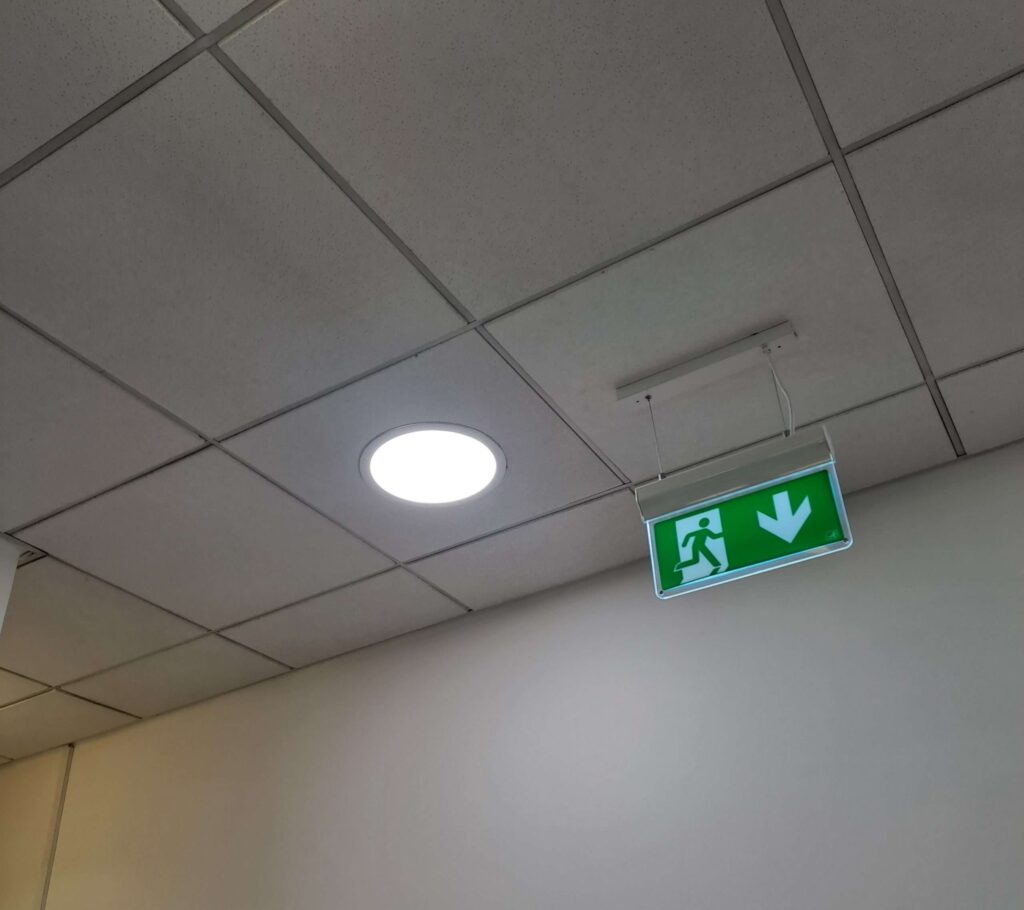
Emergency Lighting Services help ensure that designated escape routes remain illuminated when normal lighting fails.
Important areas may include:
- Corridors and staircases
- Emergency exits
- Changes in floor level
- Escape route intersections
- Areas containing essential fire safety equipment
Emergency lighting systems require appropriate testing and maintenance, with arrangements informed by the building’s fire risk assessment and relevant standards such as BS 5266-1.
Regular checks help identify failed batteries, damaged fittings and other faults that could affect performance during an emergency.
Electrical Installations and Upgrades for Modern Hotels
Hotel guests increasingly expect convenient access to charging points, reliable Wi-Fi, suitable lighting and comfortable room facilities.
Older electrical installations may not have been designed for today’s equipment and electrical demand.
A Hotel Electrician can help plan electrical improvements such as:
- Additional guest room sockets
- LED lighting upgrades
- Reception and communal area lighting
- New circuits for kitchens and laundry equipment
- Consumer unit or distribution board upgrades
- Electrical supplies for refurbishment projects
Before installing additional equipment, an electrician should assess the existing electrical installation to determine whether it can safely support the proposed changes.
Careful planning helps avoid unnecessary alterations, overloaded circuits and disruption later.
When Might a Hotel Need a Rewire?
Not every older hotel needs a complete Rewire.
However, properties with ageing wiring, repeated electrical faults or extensive refurbishment plans may benefit from a detailed electrical assessment.
Warning signs include:
- Frequent circuit breaker tripping
- Damaged or deteriorating wiring
- Repeated electrical faults
- Overheating electrical accessories
- Insufficient circuits for current demand
- Outdated installations that cannot safely support planned improvements
A full or partial rewire may be recommended depending on the condition of the installation.
For operating hotels, rewiring work should be carefully planned to minimise disruption, potentially through phased work in unoccupied rooms or during quieter periods.
Why Preventive Electrical Maintenance Matters
Waiting until something stops working can be costly for hospitality businesses.
A faulty socket may temporarily put a guest room out of use. A lighting failure could affect a communal area, while a more serious electrical problem may interrupt essential hotel operations.
A planned electrical maintenance approach can help hotels:
- Identify deteriorating electrical equipment
- Reduce avoidable electrical breakdowns
- Schedule repairs around guest occupancy
- Maintain electrical safety records
- Plan upgrades and replacement work
- Support ongoing safety compliance
The purpose of preventive maintenance isn’t to guarantee that faults will never occur. It’s to identify potential problems earlier and reduce the likelihood of unexpected disruption.
Choosing a Hotel Electrician in Eastbourne
When selecting a Hotel Electrician, hotel owners and managers should look beyond the cost of an individual repair.
An experienced electrician in Eastbourne should understand the practical challenges of working in occupied commercial premises.
Consider whether the electrical contractor offers:
- Relevant qualifications and commercial experience
- Appropriate NICEIC registration or other recognised competence credentials
- Experience with electrical inspections and testing
- Knowledge of fire alarms and emergency lighting
- Clear quotations and recommendations
- Practical scheduling around hotel operations
- Suitable documentation following completed work
NICEIC electricians working within their registered scope are subject to assessment, helping customers make more informed decisions when choosing an electrical contractor.
A reliable Hotel Electrician should also explain which work is necessary, what can be planned for later and how any disruption may be managed.
Hotel Electrical Services Across Eastbourne and East Sussex
Eastbourne and the surrounding parts of East Sussex have a mixture of established hotels, guesthouses, holiday accommodation and other hospitality properties.
Electrical requirements can vary considerably between an older converted building and a purpose-built hotel.
Whether a property is located in Eastbourne, Polegate, Hailsham, Seaford, Pevensey Bay, Stones Cross, Normans Bay, Willingdon or West Ham, the same principle applies: electrical safety and maintenance should reflect the building’s condition, usage and operational needs.
Working with local electrical contractors in Eastbourne can make it easier to arrange inspections, discuss maintenance requirements and coordinate future electrical projects.
Frequently Asked Questions About Hotel Electricians
What does a Hotel Electrician do?
A Hotel Electrician carries out electrical installations, inspections, testing, fault finding, maintenance and repairs in hotels and hospitality properties. This may include guest room electrics, lighting, PAT Testing, fire alarms and emergency lighting.
How often should a hotel have an EICR?
Many commercial electrical installations have a recommended inspection interval of up to five years, but the appropriate frequency depends on the installation’s condition, previous recommendations and risk assessment. Hotel owners should follow advice from a competent electrical inspector.
Is PAT Testing a legal requirement for hotels?
UK law requires relevant electrical equipment to be maintained in a safe condition, but it does not generally prescribe annual PAT Testing for every appliance. Inspection and testing arrangements should reflect the risks associated with the equipment and its use.
Do hotels need fire alarm servicing and emergency lighting testing?
Hotels generally require suitable fire detection, warning and emergency escape arrangements based on their fire risk assessment and applicable fire safety legislation. Relevant systems should be inspected, tested and maintained at appropriate intervals.
Can electrical work be carried out while a hotel is open?
Yes, some electrical work can be completed while a hotel remains operational. However, the work must be properly assessed and planned, with suitable precautions and arrangements for any necessary isolation or disruption.
Can a Hotel Electrician help with hotel refurbishment projects?
Yes. A qualified Hotel Electrician can assist with electrical installations, lighting upgrades, additional sockets, distribution board improvements and rewiring as part of a hotel refurbishment, working alongside other trades where necessary.
Looking for a Hotel Electrician in Eastbourne?
At M and M Electrical Services Ltd, our team of NICEIC-approved electrical contractors supports hotels, guesthouses, landlords and commercial property owners throughout Eastbourne and East Sussex.
Our services include Electrical Installations, Inspections & Tests, PAT Testing, Fire Alarm Installation, Fire Alarm Servicing, Fire Alarm Maintenance, Emergency Lighting Services, electrical fault finding and Rewire projects.
Whether you’re arranging routine electrical maintenance, planning a hotel refurbishment or dealing with an electrical fault, we’re happy to discuss your property’s requirements and provide a free, no-obligation quotation.