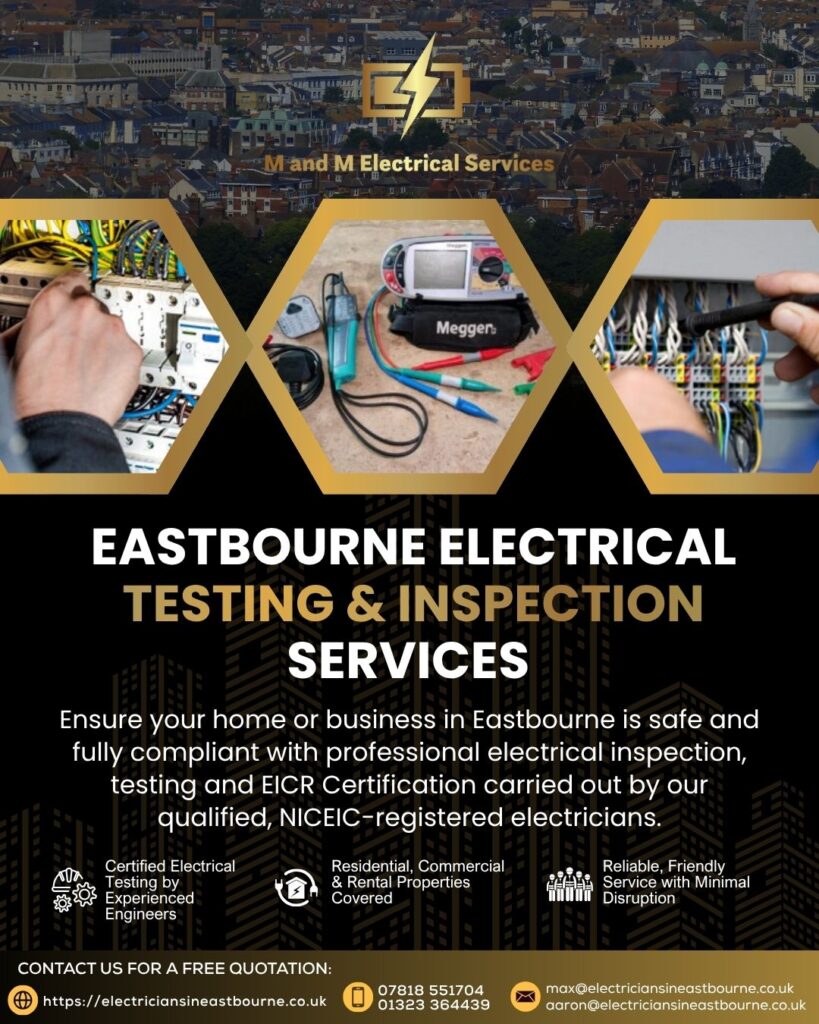

Most people don’t give their property’s wiring much thought until something goes wrong. If the lights work, the sockets are fine and the consumer unit isn’t tripping, it’s easy to assume everything is in good condition.
But how would you know if there’s a problem you can’t see?
An EICR (Electrical Installation Condition Report) is one way to find out. It provides an assessment of the condition of a property’s fixed electrical installation, helping homeowners, landlords and businesses understand whether their electrics are safe for continued use.
For properties across Eastbourne and East Sussex, knowing when to arrange an EICR can help prevent avoidable electrical problems and keep important safety checks up to date.
What Is an EICR and Why Does It Matter?
An EICR is a formal report produced following an inspection and testing of a property’s fixed electrical installation.
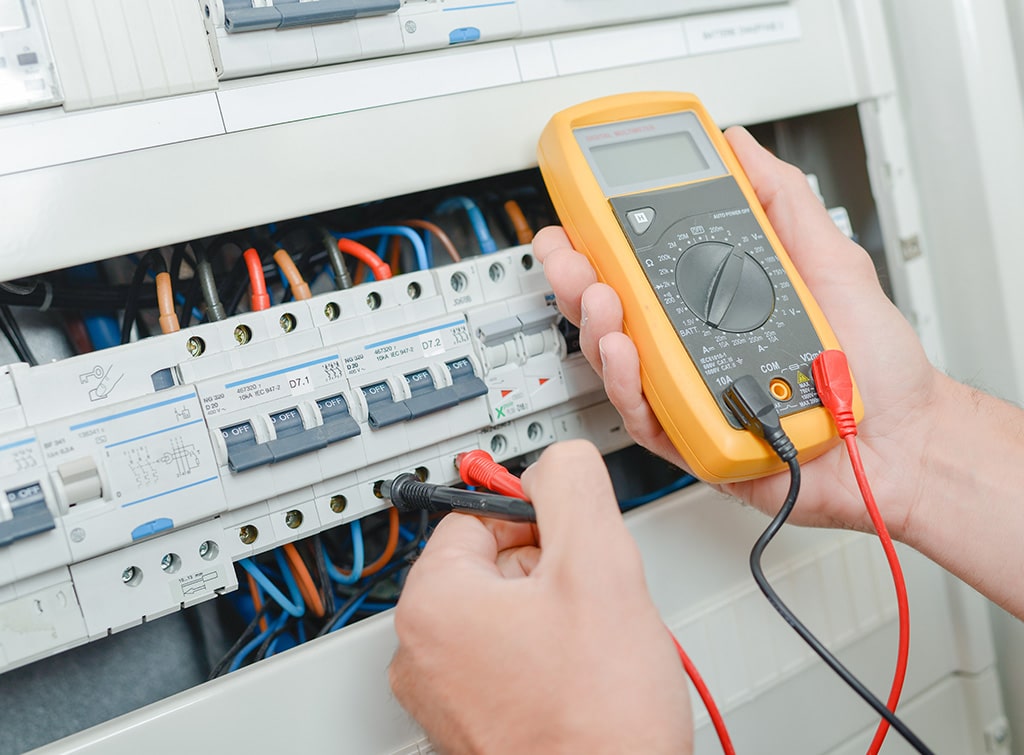
Unlike a quick visual check, it involves examining and testing electrical circuits, protective devices and other parts of the installation to identify defects, deterioration and potential safety risks.
An inspection typically covers:
- Consumer units, circuit breakers and RCD protection
- Fixed wiring and electrical circuits
- Earthing and bonding arrangements
- Sockets, switches and lighting circuits
- Signs of overheating, damage or deterioration
- Previous electrical alterations and installations
An EICR doesn’t guarantee that an installation will remain fault-free. It provides a professional assessment of its condition at the time of inspection and identifies any issues requiring attention.
When Should You Arrange an EICR?
There isn’t one inspection interval that applies to every property. The appropriate timing depends on how the building is used, the condition of its electrical installation and any relevant legal requirements.
Here are some common situations where an EICR is worth considering.
1. Your Property Hasn’t Been Inspected for Years
Electrical installations can remain in use for decades, but that doesn’t mean every component stays in good condition.
Connections may loosen, insulation can deteriorate and previous alterations may not have been carried out correctly.
For owner-occupied homes, an inspection interval of around 10 years is commonly recommended, although some properties may need checking sooner.
An EICR can help establish whether the existing installation remains suitable for continued use.
2. You’re a Landlord with a Rental Property
For private landlords in England, electrical safety regulations generally require an inspection and test at least every five years, or sooner where the previous report specifies a shorter interval.
Landlords must also meet requirements concerning reports, remedial work and providing documentation.
For rental properties in Eastbourne, regular EICRs form an important part of electrical safety compliance.
Depending on the property, other Landlord Services and Inspections & Tests may also be necessary.
3. You’re Buying or Renovating an Older Property
Buying a house is a significant investment, yet the condition of its wiring isn’t always obvious during a viewing.
An EICR can be particularly useful before purchasing an older property, especially where there’s limited information about previous electrical work.
It’s also worth considering before major renovations, extensions or new Electrical Installations.
Identifying electrical issues early can help you plan any necessary repairs or upgrades before decorating or refurbishment work begins.
What Happens If Your EICR Finds a Problem?
An EICR doesn’t automatically mean expensive repairs or a full rewire.
The report records observations using classification codes that indicate the level of concern.
- C1 – Danger Present: Immediate action is required.
- C2 – Potentially Dangerous: Urgent remedial action is required.
- FI – Further Investigation: Further investigation is required without delay.
- C3 – Improvement Recommended: An improvement is advised, but this classification alone doesn’t make the report unsatisfactory.
A report containing C1, C2 or FI observations will normally be classed as unsatisfactory.
The necessary work depends on the findings. Some problems may be resolved through relatively straightforward repairs, while others may require more extensive attention.
A complete Rewire is generally only considered where the condition or suitability of the installation makes it necessary.
The important thing is understanding what needs attention rather than assuming the entire electrical system must be replaced.
Do Commercial Properties Need an EICR?
Electrical safety matters just as much in commercial buildings as it does in homes.
Offices, shops, restaurants, warehouses and other business premises often rely on electrical systems throughout the working day.
A faulty circuit or damaged installation can create safety risks and potentially disrupt normal operations.
For businesses, the frequency of electrical inspection depends on the premises, the nature of its use, its condition and the relevant safety requirements.
Commercial electrical maintenance may also involve:
- PAT Testing for applicable electrical equipment
- Fire Alarms installation, servicing and maintenance
- Emergency Lighting testing and servicing
- Electrical repairs, fault finding and installations
- Routine electrical inspections and testing
These services have different purposes, but together they can help businesses maintain safer premises and manage their electrical responsibilities.
How Long Does an EICR Take?
The time required depends on the size of the property, the number of circuits, accessibility and the condition of the installation.
A typical domestic EICR may take around two to four hours, although larger or more complicated properties can take longer.
During testing, the electrician will usually need access to the consumer unit, sockets, switches and other relevant parts of the installation.
The electricity supply may also need to be switched off for periods while certain tests are carried out.
Planning access in advance can help the inspection run more smoothly.
EICR Services Across Eastbourne and East Sussex
Electrical installations vary considerably between properties.
A converted flat in central Eastbourne may have different inspection requirements from a detached home in Polegate or a commercial property in Hailsham.
The same applies to properties in Stones Cross, Pevensey Bay, Normans Bay, Seaford, Willingdon and West Ham.
Whether a property is relatively new, has undergone several renovations or still contains older wiring, its electrical condition should be assessed on its own merits.
Working with an experienced electrician in Eastbourne can help property owners understand the findings and decide what action, if any, is needed.
Frequently Asked Questions About EICRs
Is an EICR a legal requirement for homeowners?
An EICR is not generally a legal requirement for owner-occupiers in England. However, periodic electrical inspections are recommended, particularly for older properties or where the condition of the wiring is uncertain.
How often does a landlord need an EICR?
For most private rented homes in England, electrical installations must be inspected and tested at least every five years, or sooner if the previous report requires it. Certain exceptions and additional requirements may apply.
Can a property fail an EICR?
An EICR can receive an unsatisfactory outcome if dangerous or potentially dangerous defects are identified, or further investigation is required. The report will explain the observations and the action needed.
Does an EICR include PAT Testing?
No. An EICR assesses the fixed electrical installation, while PAT Testing concerns electrical equipment and appliances. They are separate types of inspection.
Will an EICR tell me if I need a rewire?
An EICR can identify problems with existing wiring and help determine whether repairs, improvements or more extensive work should be considered. It doesn’t automatically mean a full rewire is required.
Keeping Your Property’s Electrics in Good Condition
Electrical problems aren’t always obvious. A property can appear to be working perfectly while parts of its installation are showing signs of deterioration.
An EICR provides useful information about the condition of the wiring, protective devices and electrical circuits, allowing property owners to make decisions based on the inspection findings.
Whether you’re managing a rental property, maintaining commercial premises or simply unsure when your home was last inspected, arranging an electrical check can be a sensible step towards keeping your electrics safe.
For professional EICR services in Eastbourne, M and M Electrical Services Ltd provides electrical inspection and testing for homeowners, landlords and businesses.
As NICEIC-approved electrical contractors in Eastbourne, we also provide Landlord Services, Inspections & Tests, PAT Testing, Fire Alarms, Emergency Lighting, Electrical Installations and rewiring services throughout Eastbourne and the surrounding areas of East Sussex.