
Fire alarm systems are one of the most important safety features in any building, but installation is only the beginning. Without regular fire alarm servicing, even the best system can become unreliable over time.
Across Eastbourne, we regularly attend properties where alarms were installed correctly years ago but have not been properly maintained since. Dust affects detectors, batteries weaken, faults go unnoticed, and records are often incomplete. In many cases, the system still appears to work—until it is needed.
This is where BS 5839 becomes important.
BS 5839 is the British Standard that provides guidance for the design, installation, commissioning, and ongoing fire alarm servicing of fire detection and alarm systems. It helps ensure systems remain safe, compliant, and fully operational in domestic, commercial, and HMO properties.
Whether you are a landlord, managing agent, homeowner, or business owner in Eastbourne, understanding fire alarm servicing requirements can help you stay compliant, protect occupants, and avoid costly failures later.
What Is BS 5839?
BS 5839 is the recognised British Standard for fire detection and fire alarm systems in the UK. Moreover, it is divided into different sections depending on the type of building.
BS 5839-1
This applies mainly to non-domestic premises such as:
- Offices
- Shops
- Hotels
- Schools
- HMOs with larger communal systems
- Commercial and industrial buildings
In addition, it covers full fire alarm systems including control panels, detectors, sounders, call points, and maintenance schedules.
BS 5839-6
On the other hand, this applies to domestic premises such as:
- Houses
- Flats
- Smaller rental properties
- Domestic landlord properties
Typically, this includes Grade D domestic mains-powered smoke alarms with battery backup and linked systems.
At M and M Electrical Services Ltd, we therefore work with both Grade D domestic systems and full Grade A panel-controlled systems across Eastbourne and surrounding areas.
Why Fire Alarm Servicing Matters
Many people assume that once a fire alarm is installed, the job is done.
In reality, fire alarm servicing is an ongoing legal and safety responsibility. A fire alarm system is both mechanical and electrical. Therefore, components wear down over time. For example, sensors become contaminated, backup batteries lose performance, and faults can develop gradually.
Without regular servicing, small issues can turn into serious risks.
Fire alarm servicing helps to:
- Ensure the system works correctly during an emergency
- Identify faults before they become dangerous
- Maintain compliance with BS 5839
- Protect landlords and business owners legally
- Reduce false alarms and unnecessary call-outs
- Extend the lifespan of the system
Furthermore, this is especially important for HMOs, rental properties, hotels, and commercial buildings where legal responsibilities are significantly higher.
How Often Should Fire Alarm Servicing Be Carried Out?
This is one of the most common questions we hear in Eastbourne.
The answer depends on the type of system and the building, but BS 5839 generally recommends:
Weekly User Testing
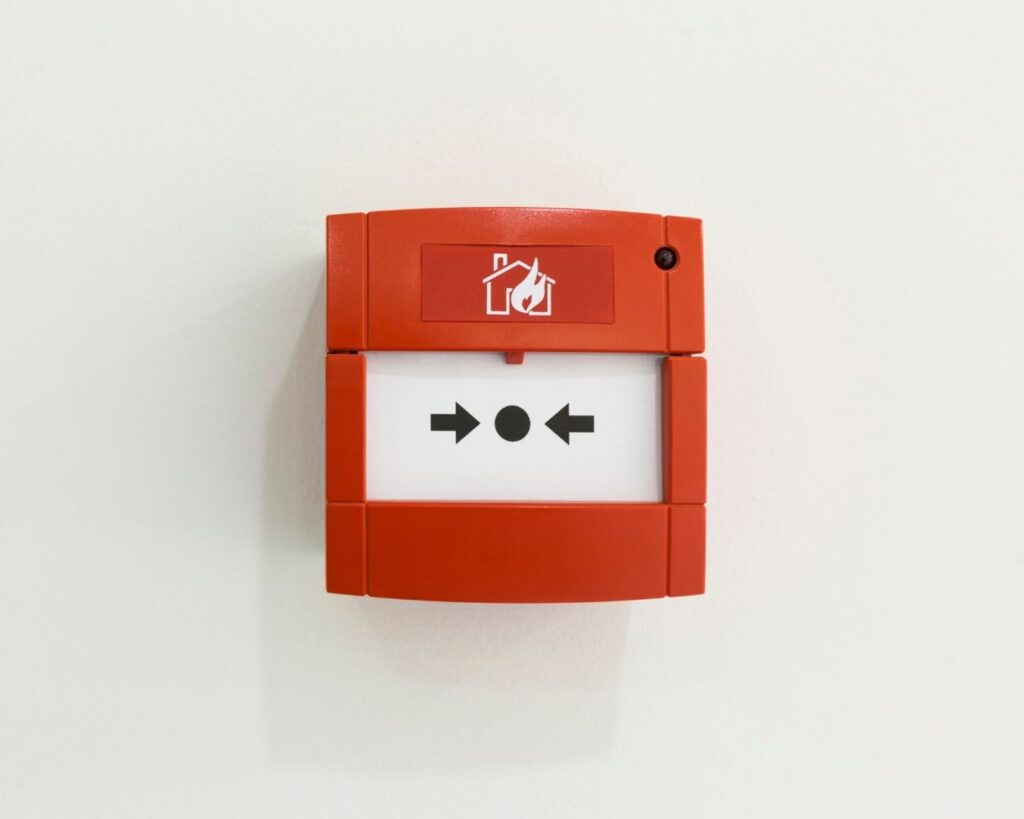
A simple manual test should be carried out weekly by the responsible person on-site.
This usually involves:
- Testing a different manual call point each week
- Confirming the alarm sounds correctly
- Checking the control panel for faults
- Recording the test in the fire alarm logbook
This is not a substitute for professional servicing, but it helps identify obvious issues early.
Six-Monthly Professional Fire Alarm Servicing
A qualified fire alarm engineer should carry out professional fire alarm servicing at least every six months.
For larger or higher-risk buildings, quarterly servicing may be recommended.
Professional servicing includes:
- Inspection of detectors and call points
- Battery testing
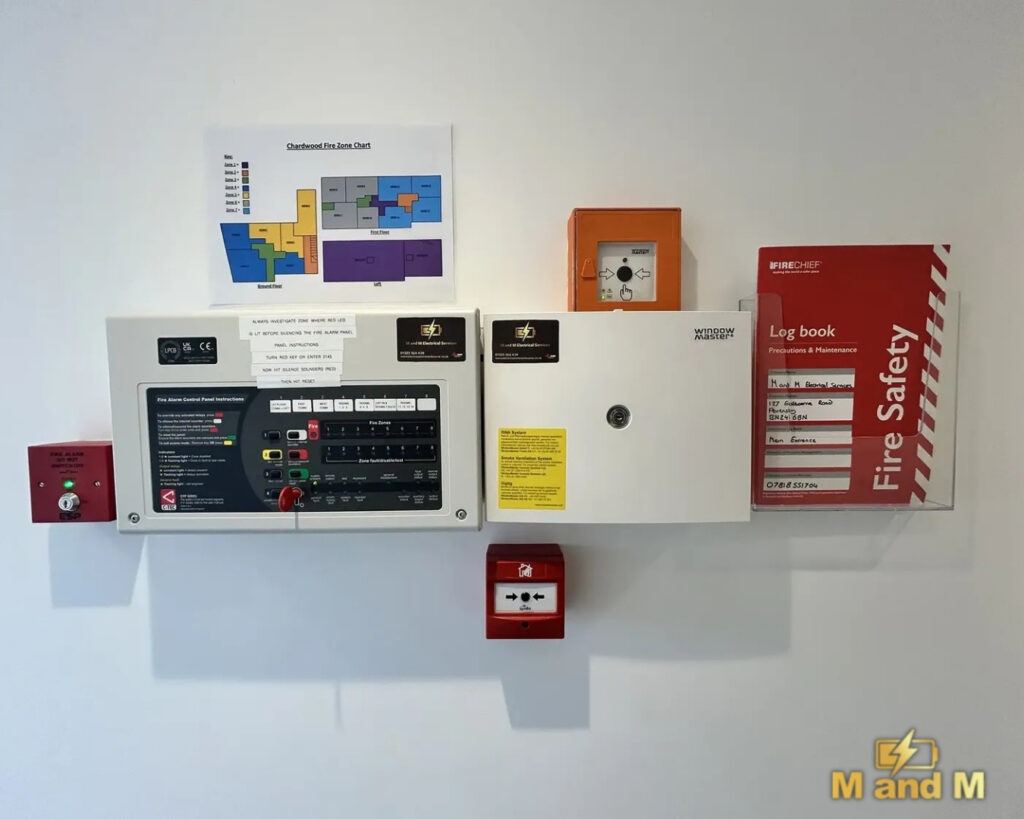
- Panel fault checks
- Sounder testing
- Verification of zoning and system operation
- Review of the fire alarm logbook
- Compliance checks against BS 5839
This is where proper fire alarm maintenance becomes essential.
Common Problems Found During Fire Alarm Servicing
During servicing visits across Eastbourne, we regularly find similar issues.
Dirty or Contaminated Detectors
Dust, paint, steam, and general wear can affect smoke detectors and heat detectors, reducing reliability.
Battery Failure
Backup batteries weaken over time and may fail during a power cut.
Ignored Fault Signals
Control panels often show warning lights for months without action being taken.
Missing Logbooks
Many landlords and businesses cannot provide servicing records when asked.
Changes to Property Layout
Extensions, room conversions, or HMO changes can make the original fire alarm design unsuitable.
These are often small problems at first, but they can become major compliance issues if left unresolved.
Fire Alarm Servicing for Landlords and HMOs
Landlords in Eastbourne often underestimate how important fire alarm servicing is.
For HMOs especially, compliance is not optional.
LACORS guidance, licensing requirements, and local authority expectations often require regular servicing and documented maintenance.
This is particularly important when combined with landlord services, EICR inspections, PAT testing, and emergency lighting testing.
Many landlords already arrange regular electrical inspections but forget that fire alarm maintenance requires the same level of attention.
A compliant property is not just safer—it also protects you during inspections, insurance claims, and tenancy disputes.
Fire Alarm Systems and Emergency Lighting Work Together
Fire alarm systems should never be viewed in isolation.
In many properties, especially HMOs and commercial premises, emergency lighting is equally important.
If a fire alarm activates during a power failure, occupants still need safe escape routes.
This is why fire alarm servicing is often reviewed alongside electrical installations, emergency lighting testing, electrical inspections, and safety certification updates.
A full safety approach gives much better protection than treating each system separately.
Choosing the Right Fire Alarm Engineer in Eastbourne
Not every electrician handles fire alarm systems to the same standard.
Fire alarm servicing should be carried out by qualified professionals who understand BS 5839, system design, and compliance requirements.
Look for engineers who:
- Understand BS 5839-1 and BS 5839-6
- Can service both domestic and commercial systems
- Maintain proper documentation
- Understand landlord compliance requirements
- Are experienced with HMO fire alarm systems
- Offer wider support as experienced electricians in Eastbourne and NICEIC-certified electrical contractors
The goal is not just fixing faults—it is maintaining long-term safety.
Final Thoughts on Fire Alarm Servicing
Fire alarm servicing is not just a maintenance task—it is a critical part of protecting people and property.
BS 5839 exists for a reason. Fire alarm systems must work when needed, and that only happens through regular inspection, testing, and professional maintenance.
Across Eastbourne, we see the same pattern repeatedly: systems installed correctly but gradually neglected over time.
The good news is that most issues are preventable.
Routine fire alarm servicing, proper record keeping, and qualified professional support make all the difference.
Whether you manage a single rental property or multiple commercial buildings, staying proactive is always easier than dealing with failure later.
Because when it comes to fire safety, “it should be fine” is never enough.