“Everything seems to be working fine, so why would I need an EICR?”
It’s one of the most common questions electricians hear.
If you’re wondering whether you need an EICR in Eastbourne, you’re certainly not alone. After all, if your lights switch on, your sockets work and the consumer unit isn’t constantly tripping, it’s easy to assume your electrical installation is perfectly safe.
However, electrical systems don’t always give obvious warning signs.
You can’t see a loose connection hidden behind a wall. Likewise, cable insulation doesn’t announce when it’s beginning to deteriorate. Even safety devices designed to protect you can gradually stop performing as they should over time.
As a result, by the time an electrical fault becomes visible, it may already be creating a significant safety risk.
That’s why having an EICR in Eastbourne is so important.
Rather than waiting for something to go wrong, EICR provides a clear understanding of your property’s electrical installation, helping to identify hidden defects before they become expensive—or even dangerous.
Ultimately, whether you own a home, rental property or commercial premises in Eastbourne or across East Sussex, regular electrical inspection and testing remains one of the simplest ways to protect both your property and the people inside it.
What Is an EICR Actually Looking For?
Many people think an EICR is simply checking whether the lights work.
In reality, it’s far more comprehensive than that.
An Electrical Installation Condition Report (EICR) is a detailed inspection combined with a series of electrical tests carried out on the fixed wiring throughout your property. Its purpose is to determine whether the installation remains safe, complies with the current BS 7671 IET Wiring Regulations, and is suitable for continued use.
Rather than focusing only on what you can see, an EICR examines the parts of the installation that are usually hidden from view, including:
- Wiring
- Earthing
- Protective devices
- Electrical circuits
Think of it as giving your property’s electrics a professional health check, helping identify issues long before they become serious.
Why an EICR Matters Even When Everything Works Fine
Over time, electrical installations naturally deteriorate.
Connections gradually loosen through years of heating and cooling. Similarly, protective devices wear out, while wiring that was perfectly acceptable twenty or thirty years ago may no longer provide the level of protection expected today.
In addition, modern lifestyles have changed dramatically.
Today’s homes and businesses often rely on:
- Home offices
- Smart home technology
- Electric vehicle chargers
- High-powered kitchen appliances
- CCTV and security systems
- Multiple televisions and computers
- Air conditioning and heating equipment
Consequently, many older electrical installations simply weren’t designed to cope with this level of electrical demand.
Just because everything appears to be working doesn’t necessarily mean the installation is operating safely behind the scenes.
What Happens During an EICR?
Every EICR in Eastbourne begins with a detailed visual inspection before specialist testing equipment is used to assess the installation.
During the inspection, an electrician will typically examine:
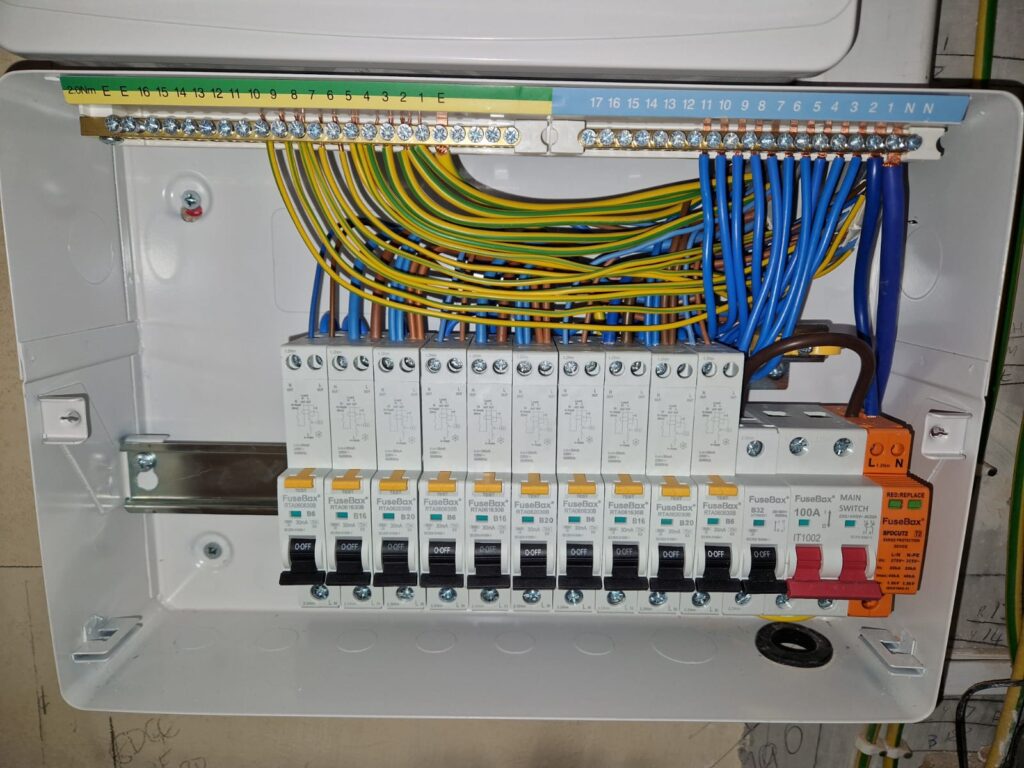
- Consumer units
- Circuit breakers
- Wiring condition
- Socket outlets and switches
- Lighting circuits
- Earthing and bonding
- Signs of overheating or deterioration
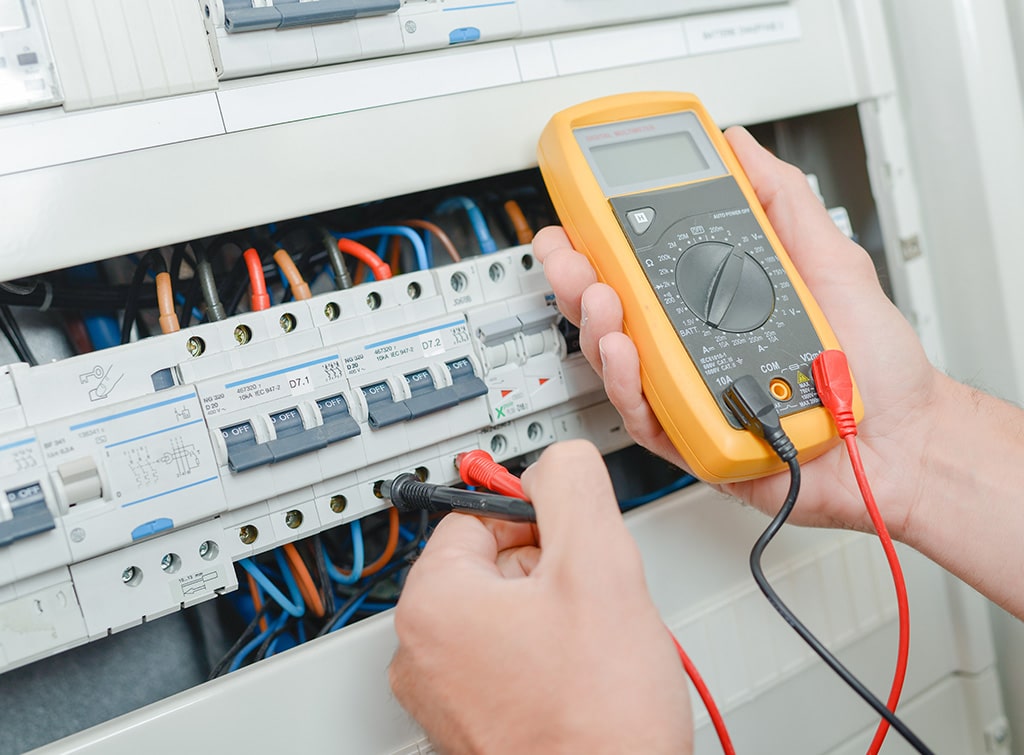
Afterwards, a series of electrical tests are carried out, including:
- Continuity testing
- Insulation resistance testing
- Polarity checks
- Earth fault loop impedance testing
- RCD testing
- Functional testing of protective devices
Together, these inspections and tests build a complete picture of the installation’s condition, allowing any areas requiring attention to be identified accurately.
What Can an EICR Reveal That You Can’t See?
One of the biggest benefits of an electrical inspection is that it uncovers problems which would otherwise remain hidden.
For example, common issues found during an EICR include:
- Loose electrical connections
- Damaged or deteriorated cable insulation
- Poor earthing or bonding
- Overloaded circuits
- Missing RCD protection
- Faulty circuit breakers
- Ageing consumer units
- DIY electrical alterations that don’t comply with current standards
Many of these faults develop gradually over many years.
Without professional inspection and testing, property owners often remain completely unaware of these issues until they result in power loss, equipment damage or, in the worst cases, an electrical fire.
How an EICR Benefits Different Properties
No two properties are exactly the same.
Homeowners
Even where there are no legal requirements, homeowners benefit from knowing their electrical installation remains safe.
This is particularly important in older properties or before carrying out major renovation work.
Landlords
Landlords have a responsibility to provide safe electrical installations for their tenants.
Furthermore, regular inspections help demonstrate compliance while identifying potential problems before they become expensive repairs.
Many landlords also combine EICRs with Landlord Services and PAT Testing to help maintain safe rental accommodation.
Businesses
For businesses, electrical faults can mean far more than inconvenience.
Unexpected power failures may interrupt operations, damage equipment and create unnecessary health and safety risks.
For this reason, many commercial premises across Eastbourne and East Sussex schedule routine inspections alongside Fire Alarm Installation, Fire Alarm Servicing, Fire Alarm Maintenance, and Emergency Lighting testing as part of their ongoing compliance programme.
Does an EICR Mean You’ll Need a Rewire?
Fortunately, not necessarily.
This is one of the biggest misconceptions surrounding electrical inspections.
In fact, many EICRs identify only relatively minor issues that can be resolved without major disruption.
These might include:
- Replacing damaged accessories
- Improving earthing arrangements
- Upgrading protective devices
Only if an installation has significantly deteriorated or no longer meets modern safety requirements would a partial or full rewire normally be recommended.
Ultimately, the purpose of an EICR isn’t to create unnecessary work—it’s to provide an honest, professional assessment of your property’s electrical condition.
Understanding Your EICR Results
Afterwards, once the inspection has been completed, you’ll receive an Electrical Installation Condition Report (EICR) explaining any observations that were identified.
These observations are classified using recognised industry codes:
- C1 – Danger Present: Immediate action required.
- C2 – Potentially Dangerous: Urgent remedial work recommended.
- FI – Further Investigation Required: Additional investigation is needed.
- C3 – Improvement Recommended: The installation is considered safe but could be improved.
Importantly, your electrician should explain each observation clearly, helping you understand what needs attention, why it has been recorded, and whether any remedial work is recommended.
Electrical Safety Doesn’t Stop With an EICR
An EICR forms an important part of maintaining a safe property, but it’s only one element of a wider electrical maintenance programme.
Depending on your property, you may also benefit from:
- Electrical Installations
- Consumer unit upgrades
- PAT Testing
- Landlord Services
- Fire Alarm Installation
- Fire Alarm Servicing
- Fire Alarm Maintenance
- Emergency Lighting
- Fault finding and repairs
- Rewire projects where older installations require upgrading
Together, these services help ensure your electrical system remains safe, reliable and suitable for modern use.
How Often Should an EICR Be Carried Out?
There isn’t a one-size-fits-all answer, as inspection intervals depend on both the type of property and how it’s used.
For example, a family home occupied by the same owners for many years will usually have different inspection requirements from a rental property, office or industrial premises where electrical systems experience heavier use.
It’s also worth considering an EICR if:
- You’ve recently purchased an older property.
- You’re planning renovation or extension work.
- The installation hasn’t been inspected for several years.
- You’ve noticed signs such as flickering lights, tripping circuits or damaged sockets.
- The property has undergone previous DIY electrical alterations.
Even if everything appears to be working normally, regular inspections provide reassurance that hidden faults aren’t developing behind the scenes.
Why Choosing a Qualified Electrician Matters
An EICR isn’t simply a checklist—it’s a detailed technical assessment that requires experience, specialist equipment and an in-depth understanding of current wiring regulations.
Therefore, choosing qualified NICEIC electricians helps ensure the inspection is carried out to recognised industry standards and that any recommendations are accurate, practical and fully explained.
Whether it’s a domestic property, rental accommodation or commercial premises, using experienced electrical contractors in Eastbourne gives you confidence that your electrical installation has been professionally assessed.
Why an EICR Is Worth It
The biggest benefit of an EICR in Eastbourne isn’t simply receiving a certificate.
Instead, it’s having confidence that the electrical system your family, tenants, employees or customers rely on every day has been professionally inspected and tested.
Unfortunately, electrical faults often develop quietly and out of sight. However, identifying them early can help prevent expensive repairs, reduce the risk of electrical fires and ensure your property continues to meet current safety standards.
Finally, if you’re looking for experienced electricians in Eastbourne, qualified NICEIC electricians, or trusted electrical contractors in Eastbourne, M and M Electrical Services provides professional EICRs, electrical inspection and testing, Electrical Installations, PAT Testing, Landlord Services, Fire Alarm and Emergency Lighting services for domestic, commercial and industrial properties throughout Eastbourne and East Sussex.